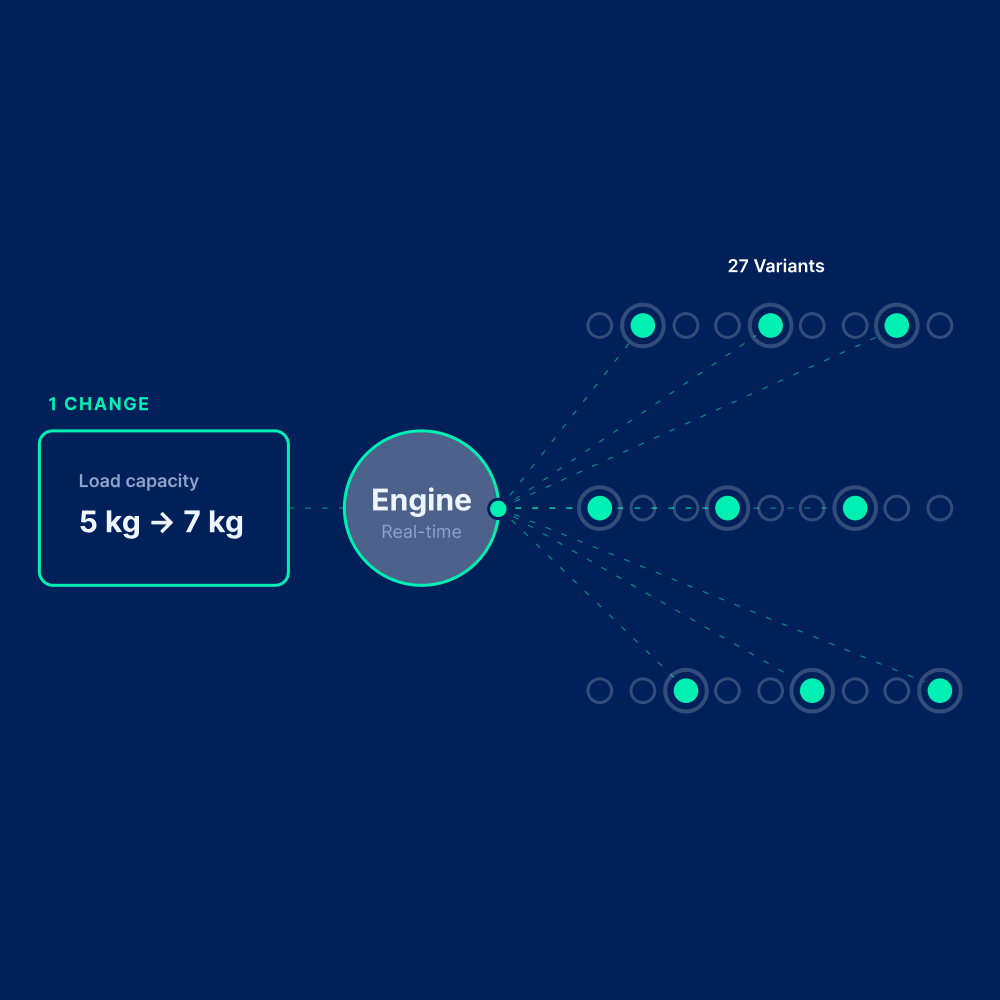
The key difference: possibilities instead of variants
This is the very essence of what makes Combeenation different. Traditional systems are variant-based: every possible combination is created in advance as a separate item. With 25 colors, 17 sizes, 9 control options, 12 motor options, 17 equipment options, and 6 region options, this quickly results in over 4.6 million variants - and each one would have to be maintained, created in the ERP system, and displayed in the shop. As modularity increases, the number of variants explodes. The maintenance effort becomes unsustainable.
Combeenation flips the principle on its head: architecture based on possibilities, not variants. Instead of managing millions of end products, it manages the building blocks and rules from which they can be created. The engine uses these to calculate the currently valid combination in real time. A specific variant is only created when the user configures it - and is only transferred to ERP or the online store when it is actually needed.
The implication is fundamental: you manage data, not millions of combinations. Variants are a result, not a starting point. This makes even highly complex, modular products manageable - without a data explosion or a maintenance nightmare.